Casino Host Airfare Comp: How Qualify?
Airfare comps don't get handed out because the host likes your face — they get triggered by a hard-coded theo threshold that most players never even see. The mechanism is brutally simple: your host is running a discretionary budget against your theoretical win, and the flight is one of the last line items they'll approve before your trip even books. Miss the math and you're paying for your own seat.
Here's what the floor never tells you: a casino host airfare comp is not a loyalty perk, it's a prepaid marketing expense tied to expected hold. The host evaluates your average bet, session length, game type, and trip frequency, then projects a theoretical loss number. Airfare only enters the conversation when that projected number clears their internal bar — usually somewhere between $1,500 and $3,000 in expected theo per trip, depending on the property's tier and how badly they want your action that month. 😤
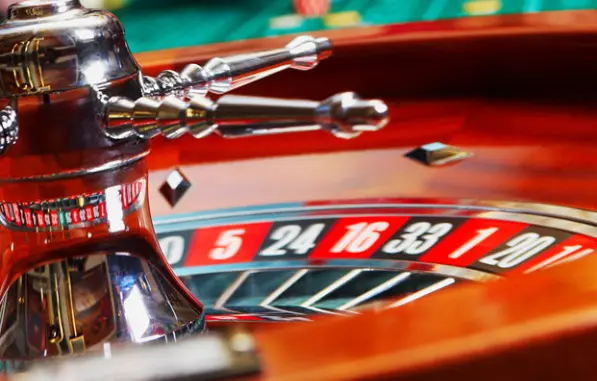
The Theo Threshold Nobody Posts on the Wall
Strip away the schmoozing and the qualification math is mechanical. Hosts work off a discretionary comp allowance that typically sits at 30 to 40 percent of your theoretical win. Airfare eats a disproportionate chunk of that allowance because it's a hard cash outlay, not a soft comp like a room or a dinner. That means your casino host airfare comp qualification usually demands a theo level high enough that the flight only consumes 10 to 15 percent of your total comp value. If your average bet is $50 on blackjack at 60 hands per hour, you're generating roughly $150 in theo per hour — and a $400 flight just ate three hours of your entire trip's comp budget. The host sees that instantly.
Game selection matters more than most players realize. Slots carry a house edge of 6 to 10 percent, so theo accumulates fast and hosts love it. Blackjack at 0.5 percent edge with perfect basic strategy produces a fraction of the comp velocity. A player grinding $25 slots for four hours can out-qualify a $100 blackjack player who thinks volume alone earns the flight. The host knows the difference and prices your airfare accordingly. 🎰
What Actually Moves the Host to Approve
Trip frequency and historical play beat one big session every time. A host approving airfare is making a forward-looking bet on your return visits, so they pull your player's card history and look at rated play across the last six to twelve months. A single monster night with no prior record reads as a fluke and gets declined. Consistent mid-tier play with documented theo gets the flight approved before you finish asking. Hosts also weigh the property's occupancy and event calendar — a slow Tuesday in a soft month lowers the qualification bar dramatically, while a fight weekend or a major tournament pushes it through the roof.

Discretion is real, but it's bounded. A host can stretch a comp allowance for a player they're cultivating, but they answer to a credit and comp committee that audits the ratio of comps issued to theo generated. Blow past the ratio and the host's own budget gets clawed back. That's why experienced players negotiate the airfare upfront and in writing — confirmed flight credit, not a vague promise — before they book. Verbal airfare comps evaporate the moment your actual play underperforms the projection, and the host will quietly bill the difference or rescind the offer on your next trip. 🤝
Reading the Qualification Bar Before You Fly
The practical play is to ask the host directly for the theo number that unlocks airfare at their property, then compare it against your rated history. If you're within striking distance, a slightly longer session at a higher-denomination slot machine closes the gap faster than anything else on the floor. If you're nowhere near it, no amount of charm moves the number — the host's spreadsheet doesn't care about your personality. The players who fly free are the ones whose theo clears the bar on paper before the host ever picks up the phone.